Your skin is basically your body’s gossip queen—it spills the tea on everything going on inside, especially when you’re stressed. From unexpected breakouts to dry patches that seem to pop up overnight, your skin has a direct line to your stress levels. But what exactly is it saying?
In this article, we’re diving into how stress shows up on your skin, the science behind it, and how to chill the heck out (without booking a luxury spa day you can’t afford). If you’ve been googling “stress skin symptoms”, “stress breakouts treatment”, or “how to reduce stress for better skin”—you’re in the right place.
How Stress Affects Your Skin (It’s Not Just in Your Head)
Stress triggers a hormonal response in your body—mainly through cortisol, your primary stress hormone. When cortisol levels rise, your skin’s balance gets thrown out of whack, causing inflammation, increased oil production, and a weakened skin barrier.
Here’s what that can look like:
- Acne flare-ups (even if you’re not a teenager anymore)
- Dry, flaky skin due to moisture loss
- Redness and sensitivity from inflammation
- Puffy eyes and dark circles from poor sleep and increased
- Hives or eczema flare-ups from histamine release
Whether you’re juggling deadlines, emotional overload, or sleepless nights, your skin is paying attention—and reacting.
Top 5 Skin Problems Linked to Stress
If you’ve been typing “can stress cause skin problems” into Google, here’s your answer: Yes, and here are five of the most common stress-related skin issues:
- Stress Acne
One of the most obvious skin reactions to stress is acne. Cortisol increases oil (sebum) production, which clogs pores and causes whiteheads, blackheads, and cystic breakouts, especially around your jawline and cheeks. - Eczema and Psoriasis Flare-Ups
People with chronic skin conditions like eczema or psoriasis often see symptoms worsen during high-stress periods. Stress disrupts immune function, triggering inflammation. - Rosacea Flare-Ups
Stress can be a major rosacea trigger, causing redness, flushing, and small bumps that mimic acne. - Dry, Itchy Skin
When you’re stressed, your skin barrier weakens, leading to moisture loss. You might notice dry, tight, or flaky patches—especially around your nose, forehead, or mouth. - Hair and Scalp Issues
Your scalp is skin, too! Stress can lead to increased hair shedding, dandruff, or an itchy scalp due to inflammation and hormonal changes.
How to Chill the Heck Out (And Help Your Skin Heal)
Now that we’ve diagnosed the drama, let’s talk solutions. Here’s how to calm both your stress and your skin.
1. Get Serious About Skincare Self-Care
Try this stress-soothing skincare routine:
- Cleanser: Choose a gentle, fragrance-free formula (like a hydrating cleanser for sensitive skin).
- Moisturizer: Look for ingredients like ceramides, hyaluronic acid, and niacinamide.
- Spot Treatment: For stress breakouts, use a salicylic acid treatment or benzoyl peroxide sparingly.
- SPF: Don’t skip sunscreen—UV rays + inflammation = hyperpigmentation city.
~Check out my skincare must-haves here (all Amazon picks for stressed-out skin).~
amazon skincare faves – for stressed out skin
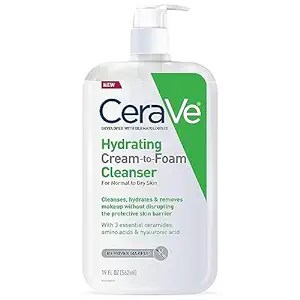
Gently removes dirt, oil, and makeup without stripping your skin. This cleanser starts as a cream and lathers into a soft foam, packed with ceramides and hyaluronic acid to hydrate while cleansing.
Click the box below for direct link to amazon!

Lightweight but deeply hydrating, this fragrance-free lotion helps restore your skin barrier with essential ceramides and MVE technology for all-day moisture—perfect for stressed or sensitive skin.
Click the box below for direct link to amazon!

Navigating life’s intricate fabric, choices unfold paths to the extraordinary, demanding creativity, curiosity, and courage for a truly fulfilling journey.
Click the box below for direct link to amazon!
2. Chill Your Nervous System
Stress reduction isn’t just about bubble baths. It’s about calming your sympathetic nervous system (the “fight or flight” part) and engaging the parasympathetic nervous system (the “rest and digest” side).
✅ Try these calming habits:
- Deep breathing (inhale 4 seconds, hold 4, exhale 6)
- 5-minute guided meditations (try free ones on YouTube or Insight Timer)
- Gentle movement like yoga or walking
- Journaling or brain dumps to clear mental clutter
3. Watch Your Diet (Because Gut Health = Skin Health)
Stress can mess with your gut microbiome, which affects your skin through the gut-skin axis. When your gut is inflamed, your skin often shows it.
Eat more of these skin-friendly, stress-busting foods:
- Probiotics: Yogurt, kefir, kimchi, or supplements
- Omega-3s: Salmon, flaxseed, walnuts
- Antioxidants: Berries, leafy greens, and dark chocolate
- Hydration: Drink water like your skin depends on it—because it does
Avoid:
- Excess caffeine
- Refined sugar
- Greasy, processed foods (these can trigger inflammation)
4. Sleep Like It’s Your Job
Chronic stress often means poor sleep, and poor sleep = poor skin. Your body does its best repair work at night, including collagen production, cell turnover, and inflammation control.
🛏️ Sleep tips for better skin:
- Use blue light blockers or avoid screens an hour before bed
- Try a white noise machine or calming playlist
- Keep a cool, dark room
- Wind down with a skincare ritual you actually enjoy
5. Know When to Call in a Pro
If your skin isn’t improving—even after lifestyle changes—it might be time to see a dermatologist or mental health professional. Sometimes, prescription treatments or stress management therapy are needed for deeper healing.
And that’s okay. There’s no shame in needing extra support when your stress starts showing on your skin.
The Bottom Line: Your Skin Isn’t Lying
Stress and skin are BFFs (the toxic kind), and ignoring one means the other will act up. The good news? You can support your skin by calming your mind.
By creating a skincare routine that supports barrier repair, eating foods that fight inflammation, and managing daily stress with real strategies—not just face masks—you’ll start to see results on your skin and your mood.
So take a deep breath, slather on some moisturizer, and remember: your skin is talking—now you know how to listen.
✨ Want more skin and stress tips straight from a nurse with derm experience?
Join my email list for exclusive skincare guides, free resources, and product picks that actually work. 🧴💌
 SkinSavvyNurse
Leave a comment