As a dermatology nurse, I see countless patients struggling with eczema—also known as atopic dermatitis. This chronic skin condition can be frustrating, uncomfortable, and even debilitating. The good news? With the right skincare routine and targeted treatments, eczema can be managed effectively.
In this post, I’ll walk you through everything you need to know about eczema: what it is, common signs and symptoms, treatment options, and how to build an eczema-friendly skincare routine. I’ve also included some trusted product recommendations (affiliate links included) to help soothe and protect your skin.
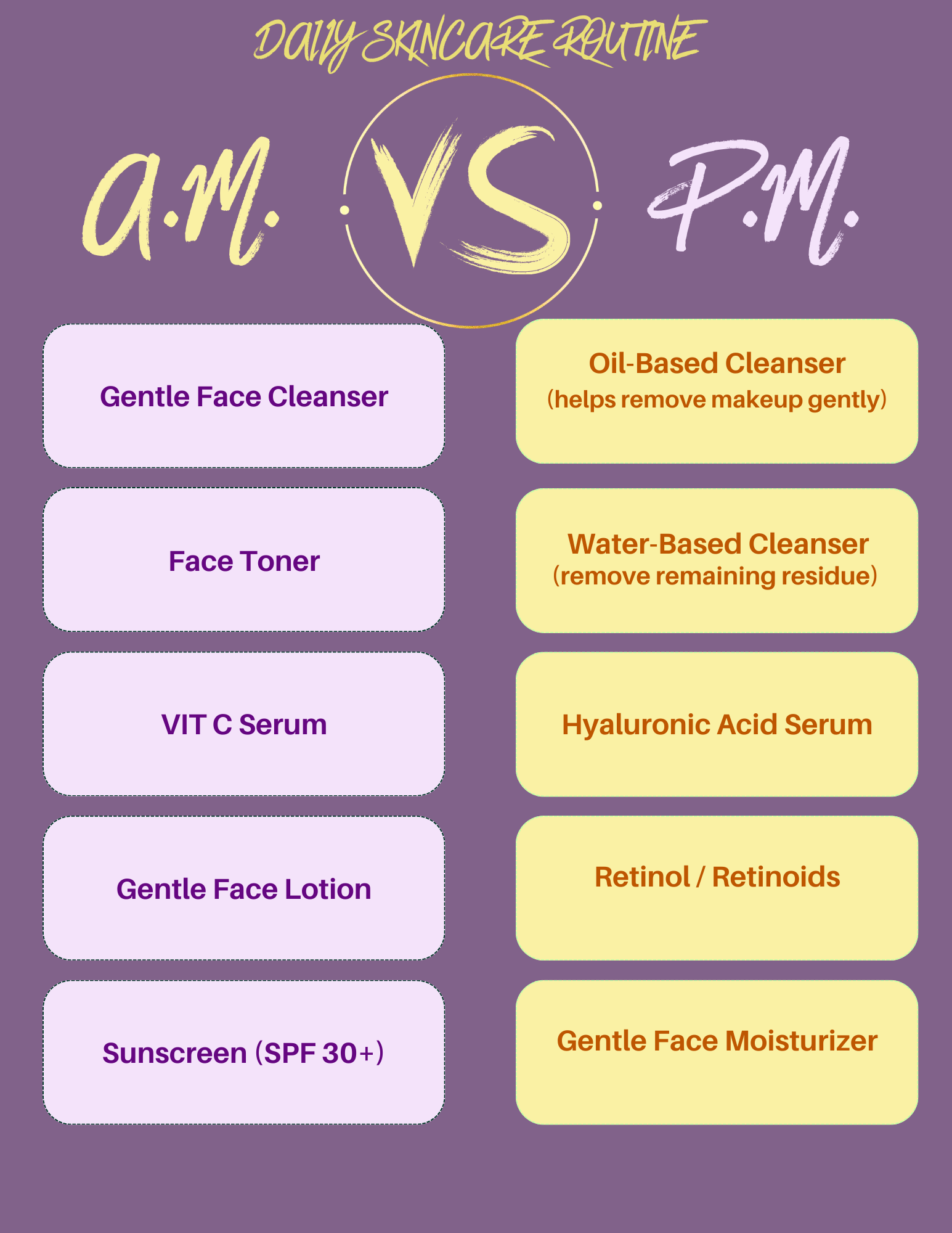
Also If you’re new here, don’t miss my free printable offer for: AM&PM skincare routine checklist
What is eczema?
Eczema is a chronic inflammatory skin condition that causes the skin to become dry, itchy, and irritated. While it can affect people of all ages, it’s especially common in infants and young children. That said, adult-onset eczema is also on the rise.
The exact cause of eczema isn’t fully understood, but it’s believed to be a mix of genetics, environmental triggers, and a weakened skin barrier. People with eczema often have a history of allergies, asthma, or hay fever.
Signs and Symptoms of Eczema
Eczema can look different from person to person, but the most common symptoms include:
- Dry, scaly skin
- Intense itching (often worse at night)
- Red or inflamed patches
- Cracked or thickened skin
- Oozing or crusting in severe cases
- Skin discoloration or hyperpigmentation after healing
These flare-ups often appear on the face, hands, neck, inner elbows, and behind the knees—but they can occur anywhere on the body.
What Triggers Eczema Flare-Ups?
Managing eczema means understanding what triggers your symptoms. Common eczema triggers include:
- Harsh soaps and detergents
- Fragrances in skincare or laundry products
- Cold, dry weather
- Stress
- Allergens like pet dander, dust mites, or pollen
- Certain foods (especially in children)
How to Treat and Manage Eczema
As a dermatology nurse, my first recommendation is to focus on repairing and maintaining your skin barrier. Here’s how:
1. Hydration Is Key: Moisturize, Moisturize, Moisturize
Why it works: Eczema skin lacks the natural oils and proteins that help lock in moisture. A strong moisturizer replaces what’s missing, helping to seal in hydration and repair the skin barrier. Well-hydrated skin is less itchy, less inflamed, and more resilient.
What to look for: Choose fragrance-free creams or ointments (not lotions) with ingredients like ceramides, glycerin, hyaluronic acid, and colloidal oatmeal.
💧CeraVe: Moisturizing Cream https://amzn.to/3GjuKKc
💧Aveeno: Eczema Therapy-Daily Moisturizing Cream https://amzn.to/4jFz84w
2. Gentle Cleansing: Avoid Stripping the Skin
Why it works: Harsh soaps can strip the skin’s natural oils, making eczema worse. Non-soap cleansers preserve the skin’s pH and natural barrier, reducing dryness and irritation.
What to look for: Use pH-balanced, fragrance-free cleansers that don’t foam too much.
🧼Vanicrean: Gentle Body Wash: https://amzn.to/3RpPH8A 🧼La Roche Posay: Gentle Foaming Moisturizing Wash: https://amzn.to/3RqqBGM
3. Topical Treatments: Calm the Inflammation
Why it works: Eczema is an inflammatory condition. Topical steroids work by reducing inflammation and calming the immune response in the skin. Non-steroidal options, like calcineurin inhibitors (e.g., tacrolimus), also reduce inflammation without thinning the skin—ideal for long-term use in sensitive areas like the face.
OTC vs. Prescription: Mild cases may respond to over-the-counter hydrocortisone creams. For more persistent eczema, prescription options are often needed.
🩹CeraVe 1% Hydrocortisone Anti-Itch Cream: https://amzn.to/4jLNoJj
🩹Cortizone 10 Maximum Strength Intensive Healing Lotion: https://amzn.to/3Y9Y0cx
🔍 Tip: Hydrocortisone lotions/creams are great for treating acute flare-ups to calm down inflammation, itching, redness, and irritation, but are not meant to be used long term. It’s highly advised to only use hydrocortisone creams temporarily and stop once flares are controlled. The best thing you can do to control flares is maintain good skin care practices using products recommended for sensitive and eczema-prone skin, and to moisturize every single day that will provide a strong skin barrier to prevent flares in the future.
4. Anti-Itch Relief: Break the Scratch Cycle
Why it works: Itching leads to scratching, which further damages the skin and increases inflammation. Products with pramoxine (a topical anesthetic), menthol, or colloidal oatmeal can help reduce itching fast. Oral antihistamines can also be useful for nighttime itchiness.
🌿 CeraVe Anti Itch Moisturizing Lotion: https://amzn.to/3GtzzAy
💊 Gold Bond Medicated Extra Strength Body Lotion: https://amzn.to/3RpPRNe
5. Lifestyle & Environmental Tweaks/Changes
Why it works: Small changes can prevent flare-ups by reducing skin stressors.
- Use a humidifier to keep air moisture high, especially in winter.
- Switch to gentle laundry detergents with no dyes or fragrances.
- Wear breathable fabrics like cotton to avoid overheating.
- Manage stress—it’s a known trigger for eczema.
🏠LEVOIT Top Fill Humidifiers for Bedroom: https://amzn.to/42EPAeq
🧺Tide Free & Gentle Laundry Products: https://amzn.to/3S3TY1D
Final Thoughts from the SkinSavvyNurse
Eczema is a lifelong condition, but it doesn’t have to control your life. With the right products, consistent skincare habits, and guidance from a dermatology professional, you can reduce flare-ups and feel confident in your skin.
Let know if you want to see more Eczema-friendly products by leaving me a comment!
If you’re struggling with eczema and unsure where to start, leave a comment or reach out—I’m here to help you build a skincare routine that works.
 SkinSavvyNurse
Leave a comment